
Modern vehicles depend on advanced driver-assistance systems to help you stay safe on the road. At MN ADAS Solutions, Bloomington, we specialize in ADAS calibration services in Bloomington, MN, to keep your vehicle’s safety systems performing accurately. When sensors or cameras shift due to collisions, repairs, or routine maintenance, your vehicle’s automated features can respond incorrectly, increasing the risk of accidents.
With vehicle safety system calibration, our technicians adjust cameras, radar, and sensors to match manufacturer specifications. This process restores proper functionality to adaptive cruise control, lane-keeping assist, automatic emergency braking, and other safety systems. You can rely on our certified ADAS calibration center to provide precise calibrations, backed by thorough documentation and expert service.
Understanding Vehicle Safety System Calibration
Vehicle safety systems are complex networks that rely on cameras, sensors, and radar to assist you on the road. Proper calibration aligns these components so your vehicle’s ADAS features operate correctly and respond accurately to road conditions.
When a collision occurs, a windshield is replaced, or repairs are made to your vehicle, sensor positions can shift slightly. These adjustments may seem minor, but even a few millimeters can change how features like emergency braking or lane-keeping assist respond.
What is Vehicle Safety System Calibration?
Vehicle safety system calibration aligns sensors, cameras, and radar to restore the proper function of ADAS features. During calibration, technicians check and adjust each sensor’s angle and position. This includes front and rear cameras, forward-looking radar, and ultrasonic sensors.
By restoring correct placement, your vehicle reacts more accurately to hazards and traffic patterns. Without calibration, automated safety systems may provide incorrect warnings or fail to activate during critical moments.
How ADAS Systems Work
ADAS (Advanced Driver Assistance Systems) use cameras, radar, and sensors to detect hazards and assist drivers. These systems gather real-time data from the road and the surrounding environment.
For example, lane-keeping assist relies on cameras to detect lane markings, while adaptive cruise control uses radar to maintain safe distances from other vehicles. Automatic emergency braking combines both camera and radar data to detect potential collisions and apply brakes when necessary. Each component must be precisely positioned to deliver accurate results.
Common ADAS Features
| Feature | Function |
| Adaptive Cruise Control | Maintains a safe distance from vehicles ahead by adjusting speed automatically |
| Lane-Keeping Assist | Guides the vehicle within lane boundaries using visual lane detection |
| Automatic Emergency Braking | Activates brakes to reduce impact or avoid collisions |
| Blind-Spot Monitoring | Alerts the driver when another vehicle enters the blind zone |
| Forward Collision Warning | Detects obstacles or vehicles ahead and warns the driver to react |
Sensor and Camera Roles
Sensors measure distance, speed, and the position of objects, while cameras detect lanes, obstacles, and traffic signals. Sensors include radar units and ultrasonic modules, which calculate the distance to vehicles, pedestrians, or barriers. Cameras capture visual data to track lane markings, traffic signs, and moving objects. When all components are correctly aligned, your vehicle can respond quickly to unexpected changes on the road.
Properly calibrated sensors help prevent false alerts and missed detections. This balance between accuracy and reliability directly affects the effectiveness of collision prevention systems, adaptive cruise control, and lane-keeping assistance.
Why Precision in Calibration Is Critical
Accurate calibration of your vehicle’s safety systems determines how well your ADAS features respond in real-world driving situations. Every sensor and camera must be aligned correctly for the system to work reliably.
Risks of Improper Calibration
Improper calibration can cause false warnings, delayed braking, and malfunctioning lane assist systems. If sensors or cameras are slightly off, your vehicle might alert you to hazards that aren’t there or fail to react in time during emergencies.
Misaligned systems can misinterpret lane markings, nearby vehicles, or obstacles, leading to unexpected braking or failure to detect a potential collision. You may notice the adaptive cruise control struggling to maintain a steady distance or the lane-keeping assist drifting even on straight roads. These problems can affect your driving confidence and create unsafe situations on highways or in crowded streets.
Effects on Vehicle Safety and Performance
Calibration directly affects system reliability and vehicle response accuracy. Properly aligned sensors allow your safety systems to detect and respond to hazards promptly.
Features like automatic emergency braking engage correctly, lane-keeping assist keeps your vehicle within lanes, and adaptive cruise control adjusts smoothly to traffic. Accurate calibration also maintains the overall balance of the vehicle’s electronic systems, preventing repeated alerts or unnecessary interventions that can distract you while driving.
When a Vehicle Requires Calibration
Your vehicle’s safety systems are designed to respond to changes on the road quickly. Certain events or maintenance can alter sensor alignment, and knowing when to address this can keep your safety features operating correctly.
After Collision or Repairs
ADAS calibration is needed after collisions, windshield replacements, or body repairs. Even minor impacts or bodywork can shift sensors or cameras, changing how your vehicle detects lanes, obstacles, and other vehicles. If a sensor is off by even a few millimeters, features like lane-keeping assist or automatic emergency braking might react differently.
Scheduling calibration after any repair restores the accuracy of these systems and returns your vehicle to its intended performance. By addressing sensor alignment promptly, you reduce the chances of unexpected alerts or braking during everyday driving.
Routine Maintenance That Impacts Sensors
Wheel alignment, suspension adjustments, or sensor replacements require recalibration. Adjustments to your vehicle’s suspension or steering components can subtly move cameras or radar.
Over time, even small shifts affect adaptive cruise control, forward collision warnings, and lane assist systems. Recalibrating after these services helps the vehicle respond correctly to road conditions and traffic.
Methods of Vehicle Safety System Calibration
Accurate calibration of vehicle safety systems depends on the method used to adjust sensors and cameras. There are different approaches for restoring ADAS functionality, and each has specific applications depending on the type of system and the vehicle’s condition.
Static Calibration
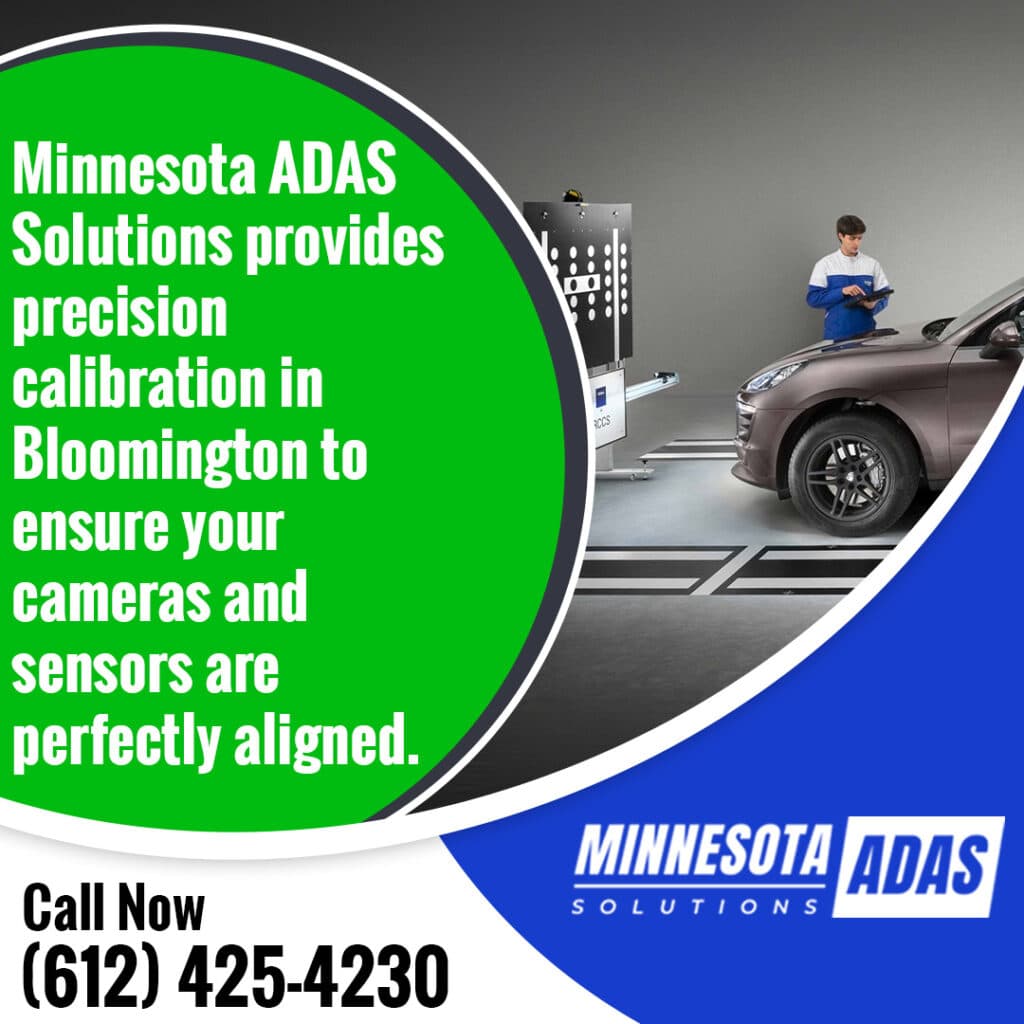
Static calibration uses targets and diagnostic equipment in a controlled environment to adjust sensors precisely. In this process, technicians place carefully measured targets in front of your vehicle and use diagnostic tools to align cameras and radar units. This approach is ideal for forward-facing cameras, parking sensors, and radar systems that need precise positioning without the influence of vehicle movement. By calibrating in a stable setting, you receive reliable sensor alignment that supports accurate detection and response.
Dynamic Calibration
Dynamic calibration adjusts sensors while driving the vehicle under specific conditions. Certain ADAS features, like lane-keeping assist, adaptive cruise control, and traffic sign recognition, require movement to calibrate accurately. Technicians drive the vehicle under controlled conditions and monitor sensor readings in real time. This method allows adjustments based on actual road behavior, making sure that systems respond correctly to traffic patterns, lane markings, and obstacles.
Differences and When Each Is Used
Static and dynamic calibration address different needs, and sometimes both are applied together.
| Calibration Type | Purpose | Typical Application |
| Static | Adjusts sensors using targets | Front cameras, radar, and parking systems |
| Dynamic | Adjusts sensors during driving | Lane-keeping assist, adaptive cruise |
| Combined | Both methods applied | Vehicles requiring complete ADAS recalibration |
Using the correct method for your vehicle ensures that safety features operate reliably.
Why Choose Minnesota ADAS Solutions for ADAS Calibration
Choosing a provider for ADAS calibration can affect how your vehicle responds on the road. You need a team that has the right environment, tools, and expertise to restore your safety systems accurately.
Certified ADAS Calibration Center in Bloomington, MN
At Minnesota ADAS Solutions, calibration is performed in a controlled facility that meets OE standards. Your vehicle is adjusted in a facility designed to replicate the conditions set by manufacturers. This controlled environment removes variables like uneven surfaces, lighting issues, or misaligned targets that could interfere with sensor or camera alignment. By completing calibration here, you can trust that each component functions according to its original specifications, giving you reliable system performance for every drive.
Experienced Technicians and Tools
Technicians specialize in ADAS systems using advanced diagnostic tools. Our team works directly with the latest vehicle models and safety technologies. We can identify misalignments, repair or adjust sensors, and recalibrate systems using the right tools for each make and model. This hands-on expertise allows us to restore the precision of adaptive cruise, lane assist, and emergency braking systems accurately.
Efficiency and Documentation
Most calibrations are completed within 90 minutes with detailed documentation. You won’t need to wait for hours or worry about gaps in service records. Every calibration comes with a full report that body shops, insurers, and drivers can reference. This documentation proves the work was completed in a certified setting and confirms that all adjustments meet manufacturer specifications.
Benefits of Professional Vehicle Safety System Calibration
Proper calibration of your vehicle’s safety systems does more than restore sensor alignment. It affects how your car reacts every time you drive. By relying on professional services, you gain confidence that your vehicle will respond accurately in critical moments.
Accuracy and Reliability
Professional calibration guarantees that sensors and cameras operate correctly. When your vehicle undergoes professional alignment, each sensor and camera is adjusted to match the manufacturer’s specifications. This process improves the performance of adaptive cruise control, lane-keeping assist, and automatic emergency braking.
You will notice smoother lane guidance, more consistent braking, and faster responses from collision warning systems. Every adjustment is made with precision, helping your vehicle detect hazards reliably and act accordingly on the road.
Peace of Mind for Drivers
Drivers can trust that ADAS systems will respond correctly during emergencies. You can drive with confidence knowing that your safety features react accurately to changing traffic conditions, road obstacles, and unexpected situations.
Properly calibrated systems reduce the chances of false alerts or delayed responses, giving you better control in busy city streets, highways, or complex driving scenarios.
Compliance with Manufacturer Standards
Certified calibrations follow OE specifications for vehicle safety systems. Professional calibration maintains the manufacturer’s intended performance for all ADAS components.
Following these standards protects your vehicle’s warranty and keeps automated systems functioning at the level designed by the manufacturer. Accurate alignment also preserves the integrity of safety technologies, allowing you to rely on your vehicle for consistent support every time you drive.
Minnesota ADAS Solutions provides professional calibration services with certified equipment and experienced technicians, giving you a reliable and precise adjustment for your vehicle’s safety systems.
FAQs About Vehicle Safety System Calibration
Proper calibration keeps your vehicle’s safety systems responding accurately to real-world conditions. Below, we answer common questions about ADAS calibration to help you understand when and why adjustments are necessary.
- How often should ADAS calibration be performed?
Calibration should occur after repairs affecting sensors or cameras and after wheel or suspension adjustments. If your vehicle has experienced a collision, a windshield replacement, or any repair that could shift the position of sensors or cameras, calibration is required to restore correct operation. Regular maintenance that does not affect the placement of these components usually does not require recalibration, but it is important to have a technician verify sensor alignment if you notice any irregular behavior in your safety features.
- Can minor repairs affect ADAS systems?
Yes. Even small repairs, such as windshield or bumper replacement, can misalign sensors. ADAS components rely on precise positioning to detect lanes, obstacles, and traffic signals. Even minor changes to the structure of the vehicle can alter sensor angles, causing features like adaptive cruise control, lane-keeping assist, or automatic emergency braking to respond incorrectly. Checking calibration after minor repairs keeps these systems reliable.
- What types of vehicles require calibration?
Most modern vehicles equipped with ADAS, including adaptive cruise, lane-keeping assist, and automatic braking, require calibration. Vehicles without ADAS features do not require professional calibration. If your car includes any driver-assistance technology, scheduling service at a certified ADAS calibration center helps restore sensor alignment and maintain the performance of these safety systems.
At Minnesota ADAS Solutions, our technicians provide professional ADAS calibration services in Bloomington, MN, offering precise adjustments, documentation, and testing to keep your vehicle’s safety features functioning accurately.
Schedule Vehicle Safety System Calibration Today
Take action now to keep your vehicle’s safety systems operating accurately. Contact Minnesota ADAS Solutions to schedule your appointment at our certified ADAS calibration center in Bloomington, MN. Our team provides precise alignment, thorough diagnostics, and complete documentation to restore your vehicle’s safety features to manufacturer standards.
Call us at (612) 425-4230 or email info@mnadas.com to book your service and experience reliable ADAS calibration from experienced professionals.